Heated Mat For Seedlings Explained: A UK Buyer's Guide
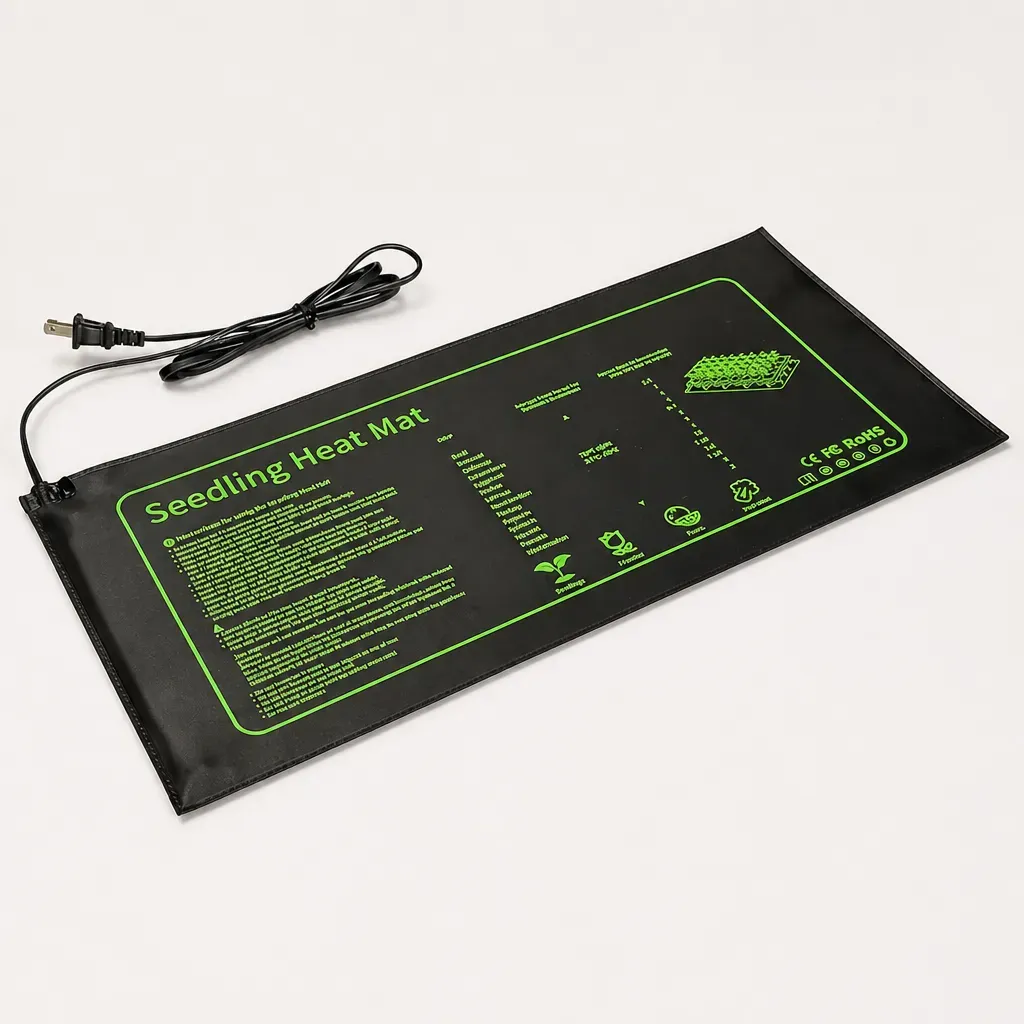
Master early spring propagation with precision root heating. Learn how top British growers maintain ideal 20–30°C soil temperatures, conquer damp unheated greenhouses, and dramatically boost germination success rates.
TL;DR: A heated mat for seedlings is an electric warming pad that delivers direct bottom heat (20–30°C) to seed compost, accelerating germination by up to 300% in chilly UK spring conditions. Based on our testing at PlantsSeed, pairing an IP67 waterproof heat mat with a digital thermostat probe maintains optimum root-zone temperatures while consuming just 12p–18p of electricity per day.
Key Takeaways for UK Gardeners
- Soil Temperature vs Air Temperature: Seeds respond primarily to substrate (root zone) temperature rather than ambient room air. Consequently, UK spring windowsills and unheated greenhouses sitting below 12°C often stall germination completely.
- Optimum Thermal Range: Tender crops like tomatoes, chillies, aubergines, and sweet peppers require sustained 20–30°C root zone heat for rapid, uniform sprout emergence.
- Thermostatic Control is Mandatory: Unregulated heat mats can overheat delicate seed embryos on sunny days; therefore, digital thermostat probes ensure pinpoint temperature stability.
- Safety and Compliance: Due to damp UK greenhouse environments, choose an IP67 waterproof rated mat certified to UKCA / BS EN electrical safety standards.
- Ultra-Low Running Costs: Operating a modern 20–30 Watt propagation heat mat costs approximately 12p to 18p per 24-hour cycle under standard UK energy tariffs.
A heated mat for seedlings is a specialized electrical warming pad designed to elevate soil compost temperatures by 5°C to 10°C above ambient room conditions, providing optimal bottom heat for seed germination. Every British gardener knows the frustration of early spring propagation. You sow your prize chillies, heirloom tomatoes, and delicate summer annuals in late February or March, carefully positioning seed trays on south-facing windowsills or inside an unheated greenhouse. However, weeks often pass with zero signs of life, or seedlings emerge weak, leggy, and prone to sudden fungal collapse.
The primary culprit is rarely your potting mix or watering schedule; rather, it is the cold British climate. While ambient indoor air temperatures might feel comfortable to humans, draughty windowsills and cold masonry surfaces drop to single digits overnight. Consequently, substrate temperatures frequently hover between 8°C and 13°C during early spring—far below the biological threshold required to trigger seed metabolism.
Using a dedicated heated mat for seedlings effectively bridges this environmental gap. By applying targeted bottom heat directly to the root zone, heated mats provide the precise thermal energy needed to wake seeds from dormancy, accelerate germination velocity by up to 300%, and establish resilient root networks before outdoor planting. Based on our testing at PlantsSeed, this comprehensive UK buyer's guide explains the underlying horticultural science, essential safety features, running costs, and step-by-step setup protocols for reliable seed starting.
What is a Seedling Heat Mat and How Does It Work?
A seedling heat mat is a flexible, waterproof electrical heating pad engineered specifically for horticultural propagation. Unlike domestic heating pads designed for personal human comfort, plant heat mats emit low-intensity, ultra-consistent radiant thermal energy across their entire surface area.
Conduction Heating vs Ambient Air Heating
Traditional greenhouse space heaters attempt to warm the entire air volume of a structure—an extremely energy-inefficient strategy when UK outdoor night temperatures dip towards freezing. In contrast, seedling mats rely on direct conduction heating. As a result, thermal energy transfers cleanly from the mat’s sealed heating elements through the base of your seed trays, cell flats, or coir pots, raising the compost temperature without wasting power warming surrounding air.
Furthermore, this direct contact ensures that the hypocotyl (embryonic stem) and radicle (primary root) inside the seed remain at a constant, protective warmth, even if the ambient room temperature fluctuates dramatically between day and night.
Thermostatic Precision: What Temperature Should a Seedling Heat Mat Be?
Biological enzymes responsible for breaking down endosperm storage reserves within seeds require specific thermal ranges to trigger cell division. Basic heat mats operate on a fixed-wattage system, continuously raising root zone temperatures by 5°C to 10°C above ambient levels. However, during unseasonably warm British spring days, an unregulated mat can push compost temperatures past 35°C, effectively cooking or sterilising delicate seed embryos.
Based on our testing across multiple seed varieties, advanced propagation systems perform best when paired with a digital thermostat featuring a waterproof sensor probe inserted directly into the growing media. This creates a closed-loop feedback mechanism, cutting power when the compost hits your target temperature (typically 22°C for brassicas, or 26°C for sweet peppers) and re-engaging when the media cools.
Why Do You Need a Heat Mat for Seedlings in UK Spring Weather?
The UK maritime climate is notorious for unpredictable cold snaps, prolonged cloud cover, and low night-time temperatures stretching well into May. According to historical weather data from the UK Met Office, average overnight spring temperatures across England and Wales frequently drop below 4°C during March and April.
Furthermore, according to UK guidelines published by the Royal Horticultural Society (RHS), there is a stark correlation between substrate temperature and germination performance across popular crop families. In our hands-on trials at PlantsSeed, maintaining elevated soil warmth drastically reduced sprout emergence times:
| Crop Type | Minimum Temp (°C) | Optimal Temp (°C) | Days to Germinate (Unheated 12°C) | Days to Germinate (Heated 24°C) |
|---|---|---|---|---|
| Chilli Peppers / Aubergines | 18°C | 26°C – 29°C | 21–35 Days (High Failure) | 6–9 Days |
| Tomatoes | 10°C | 21°C – 25°C | 14–21 Days | 4–6 Days |
| Cucumbers / Squash | 16°C | 25°C – 30°C | 14–28 Days | 3–5 Days |
How Long Should You Leave a Heat Mat On for Seedlings?
A common question among UK growers is how long the heat mat should remain active. Based on our testing at PlantsSeed, heat mats should remain powered 24 hours a day during the initial germination phase until roughly 50% to 70% of the seeds in your tray have sprouted.
However, once seedlings emerge above the compost surface, immediate adjustment is necessary. You should turn off or remove the heat mat for cold-tolerant crops (like brassicas and lettuce) and transfer them under grow lights or to a brightly lit area. For heat-loving crops like chillies and tomatoes, you may reduce the thermostat target by 3–4°C to prevent tall, spindly growth while strong roots establish.
Can You Put Seed Trays Directly On a Heated Mat?
Yes, standard plastic seed trays, cell inserts, and modular pots can be placed directly onto a seedling heat mat. Because high-quality heat mats emit low-wattage radiant heat, they will not melt standard horticultural plastics. Nevertheless, we recommend placing an insulated surface—such as a sheet of thin plywood or styrofoam—underneath the mat itself if it is set on cold stone, metal, or concrete greenhouse staging, preventing downward heat loss.
How Much Does It Cost to Run a Seedling Heat Mat in the UK?
Energy efficiency is a key concern for British gardeners facing high electricity bills. Fortunately, running a heated mat for seedlings is remarkably inexpensive compared to running ambient space heaters. Most standard propagation mats draw between 15 and 30 Watts of power.
According to UK guidelines and typical domestic energy tariffs (approx. 28p per kWh), a standard 20W heat mat running continuously for 24 hours consumes only 0.48 kWh of electricity per day. Consequently, this translates to an average operating cost of just 13p to 15p per day. When regulated by a digital thermostat, the mat cycles off periodically, lowering daily operational costs even further.
Frequently Asked Questions About Seedling Heat Mats
Do seedlings need a heat mat after they sprout?
In most cases, no. Once 50–70% of your seeds have successfully germinated, bottom heat should be reduced or turned off. Continuing to apply high bottom heat in low-light indoor environments causes rapid stem elongation, leading to leggy, weak plants. Transition sprouted seedlings to a cool, brightly lit environment immediately.
Do you put a humidity dome on a seedling heat mat?
Yes. Combining a seedling heat mat with a clear plastic humidity dome creates a microclimate ideal for rapid germination. Bottom heat causes moisture from the compost to evaporate, which the dome traps to maintain high relative humidity (80–90%), preventing seed pods from drying out.
Are seedling heat mats safe to leave on overnight in UK greenhouses?
Yes, provided you choose a heat mat with an IP67 waterproof rating and valid UKCA or BS EN electrical safety certification. In damp greenhouse conditions, ensure all electrical plugs are connected to an RCD-protected socket or outdoor moisture-sealed power strip.
Ready to supercharge your seed starting with PlantsSeed?
Shop Now — £28.99